

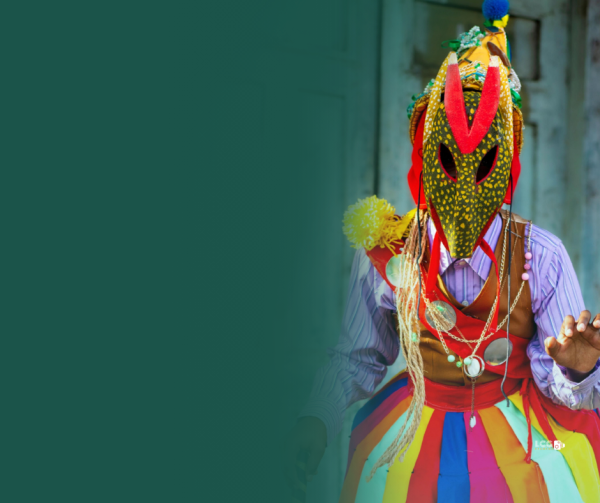

Panama Today
Panama’s population in 2025 was 4.6 million, about 5 times greater than in 1950. The total fertility rate (births per woman) has dropped to about 1.8, meaning that recent increases are primarily because of immigration. Life expectancy is high compared with global averages—about 77 years for males and 80 years for females. More than 70% of the population lives in urban centers, with Panama City’s metropolitan area alone numbering approximately 2.1 million.
Ethnic Diversity
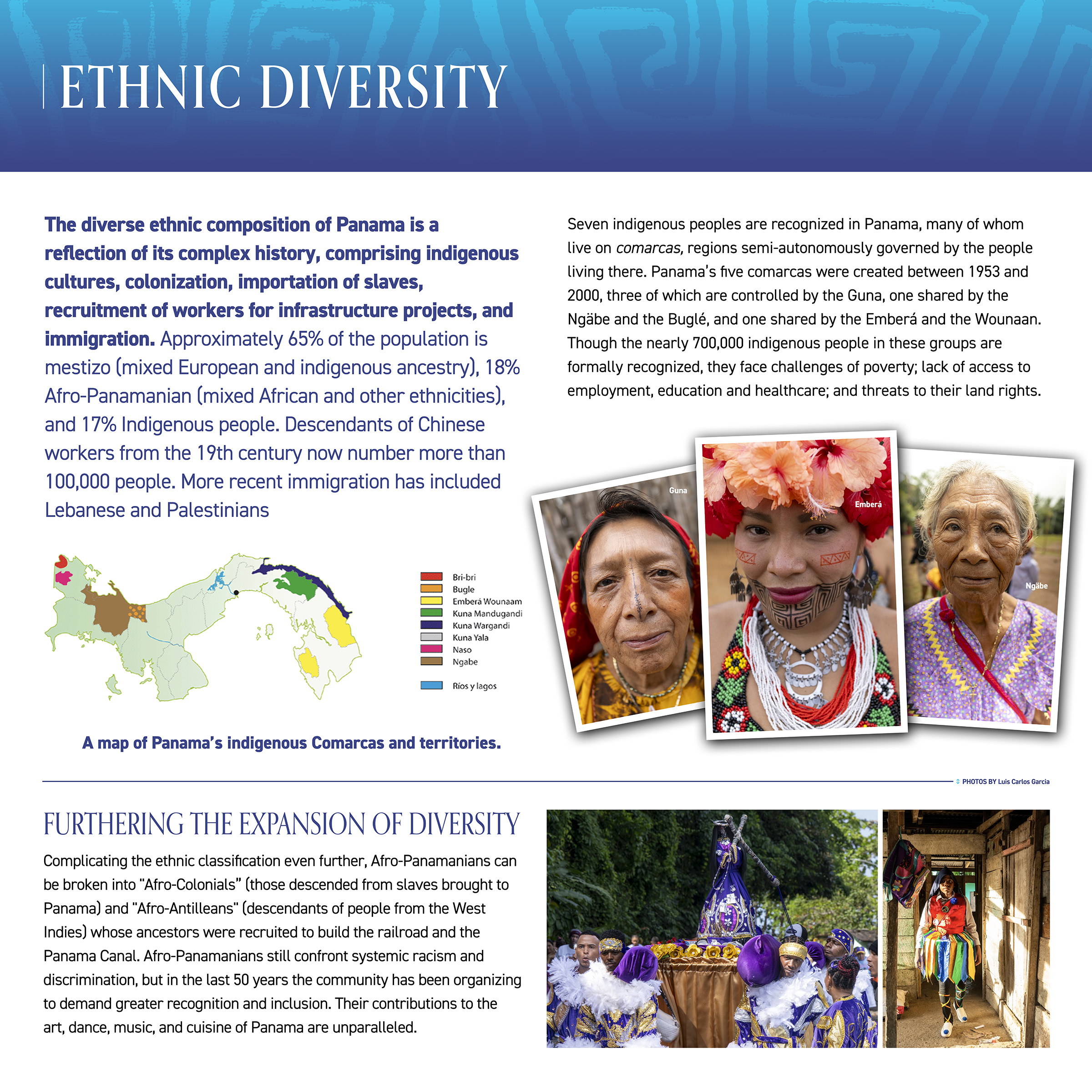
The diverse ethnic composition of Panama is a reflection of its complex history, comprising indigenous cultures, colonization, importation of slaves, recruitment of workers for infrastructure projects, and immigration. Approximately 65% of the population is mestizo (mixed European and indigenous ancestry), 18% Afro-Panamanian (mixed African and other ethnicities), and 17% Indigenous people. Descendants of Chinese workers from the 19th century now number more than 100,000 people. More recent immigration has included Lebanese and Palestinians.
Complicating the ethnic classification even further, Afro-Panamanians can be broken into "Afro-Colonials” (those descended from slaves brought to Panama) and "Afro-Antilleans" (descendants of people from the West Indies) whose ancestors were recruited to build the railroad and the Panama Canal. Afro-Panamanians still confront systemic racism and discrimination, but in the last 50 years the community has been organizing to demand greater recognition and inclusion. Their contributions to the art, dance, music, and cuisine of Panama are unparalleled.
Seven indigenous peoples are recognized in Panama, many of whom live on comarcas, regions semi-autonomously governed by the indigenous people living there. Panama’s five comarcas were created between 1953 and 2000, three of which are controlled by the Guna, one shared by the Ngäbe and the Buglé, and one shared by the Emberá and the Wounaan. Though the nearly 700,000 indigenous people in these groups are formally recognized, they face challenges of poverty, lack of access to employment, education and healthcare, and threats to their land rights.
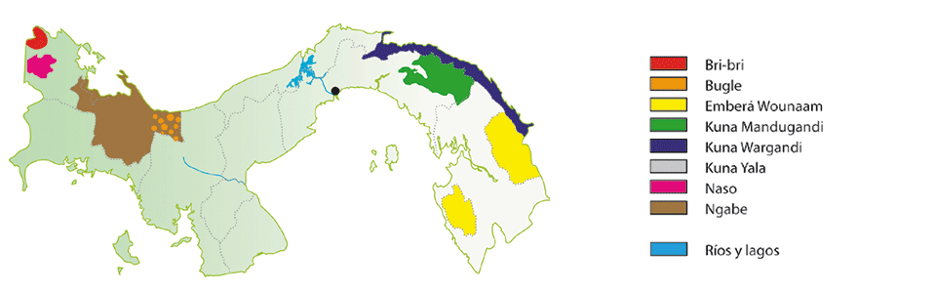
A map of Panama’s indigenous Comarcas and territories.
Video Resource:
Most Beautiful Tribe in the World | The Terrifying DARÍEN Jungle and USA Migration | EMBERÁ Tribe
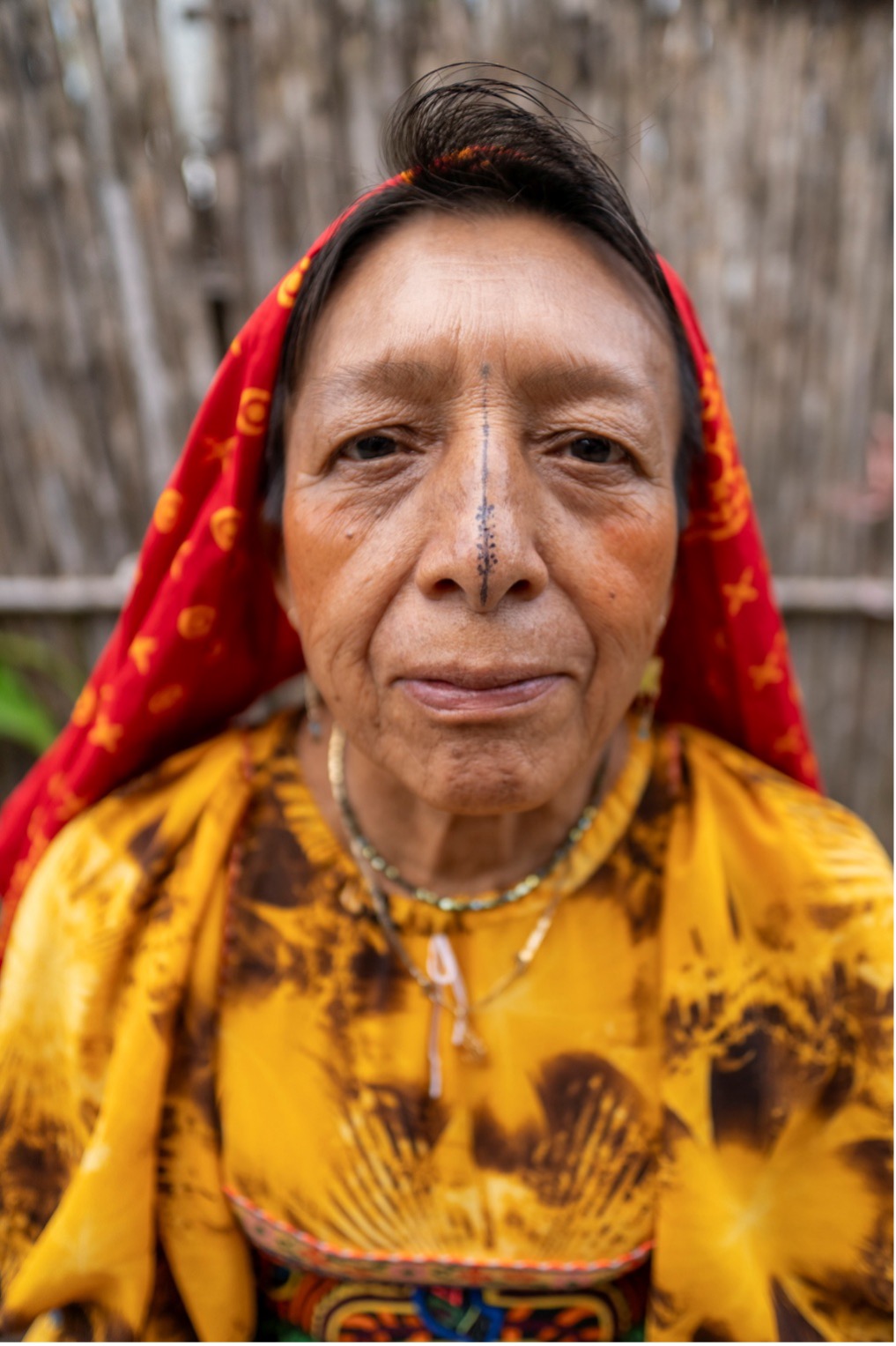
Guna Woman. Photo by Luis Carlos Garcia.
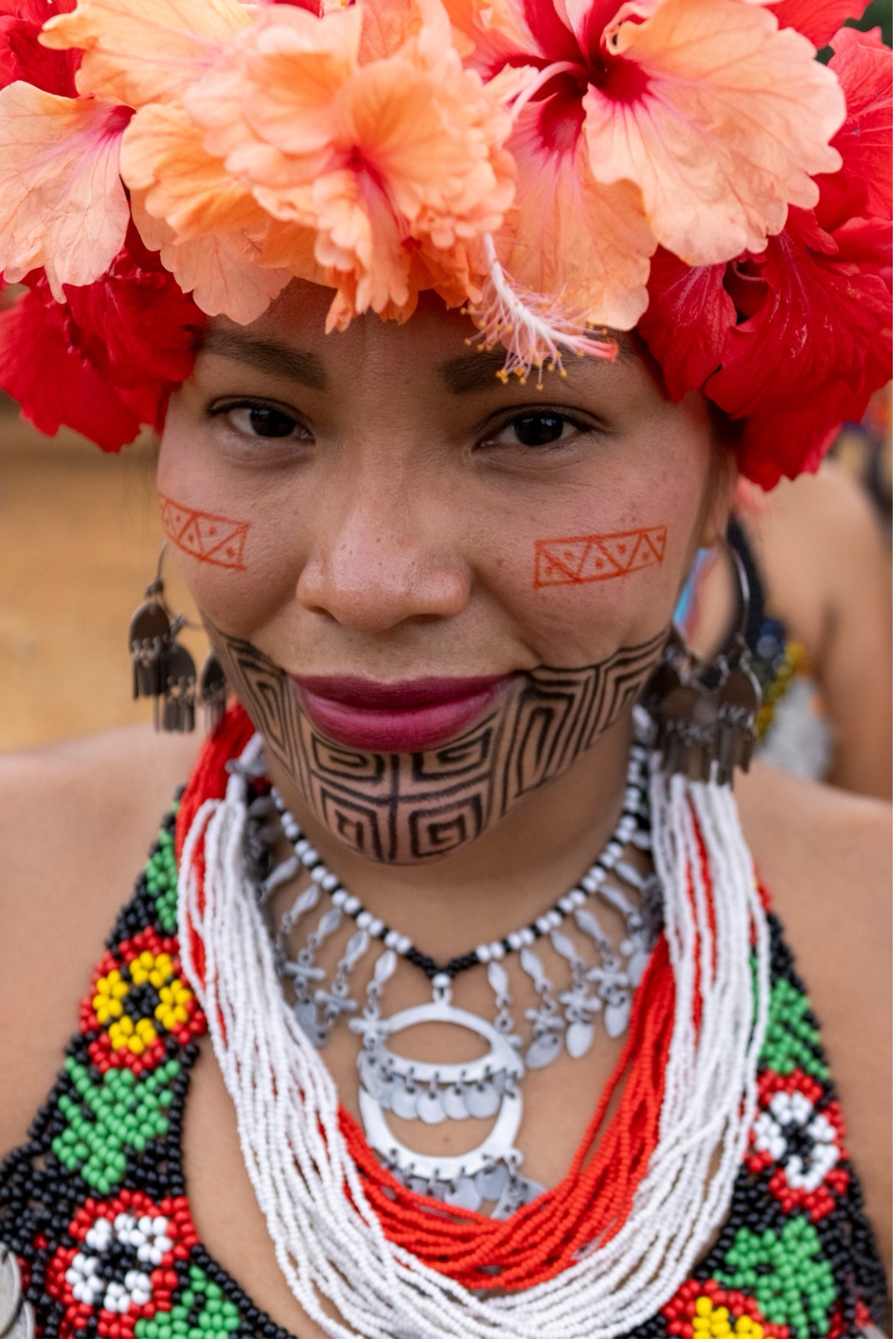
Emberá Woman. Photo by Luis Carlos Garcia.
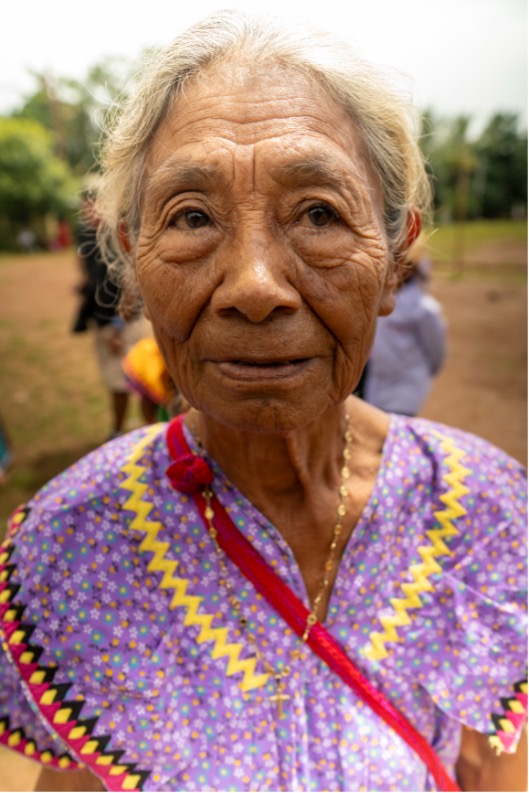
Ngäbe-Buglé Woman. Photo by Luis Carlos Garcia.
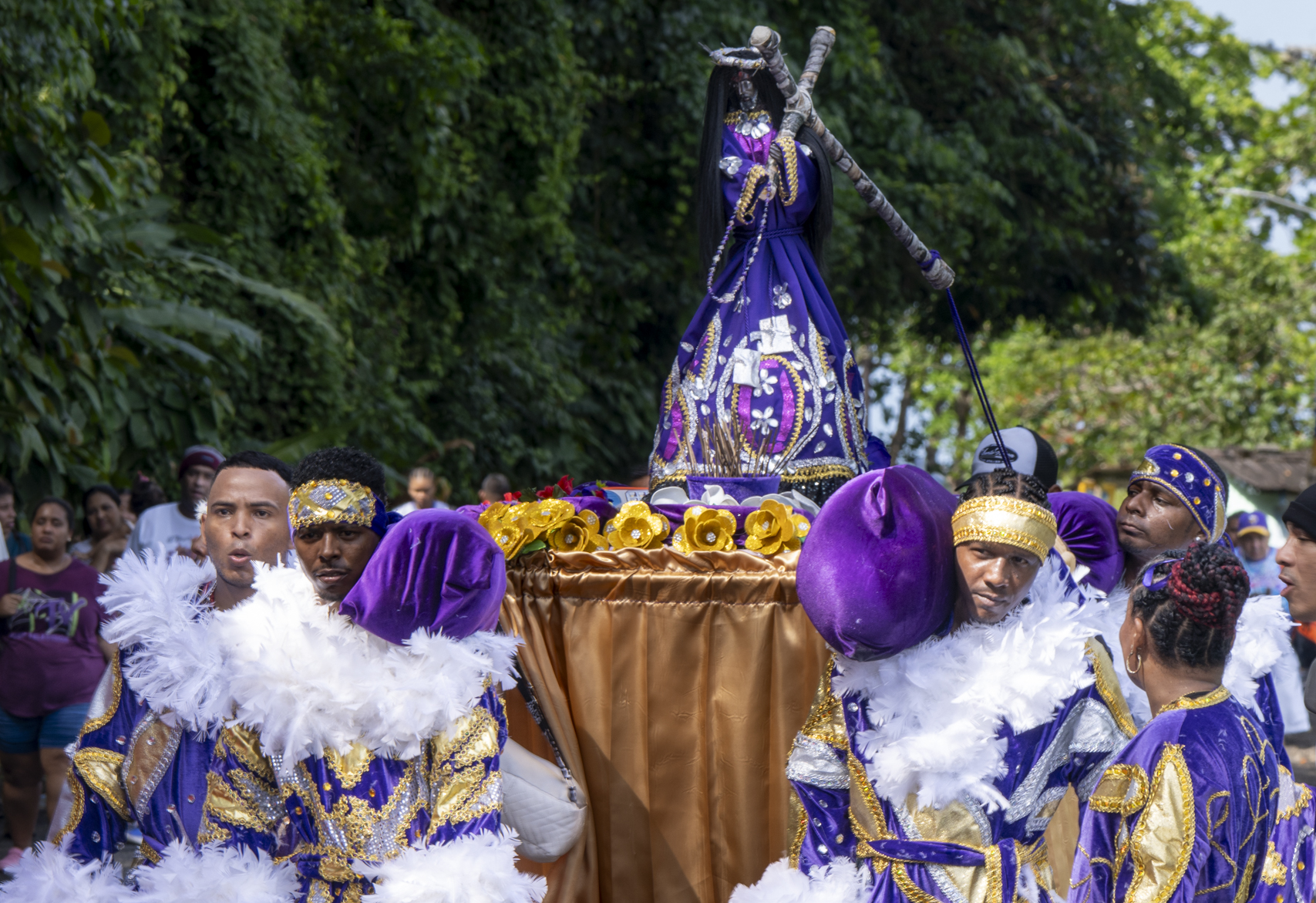
Photo by Luis Carlos Garcia.
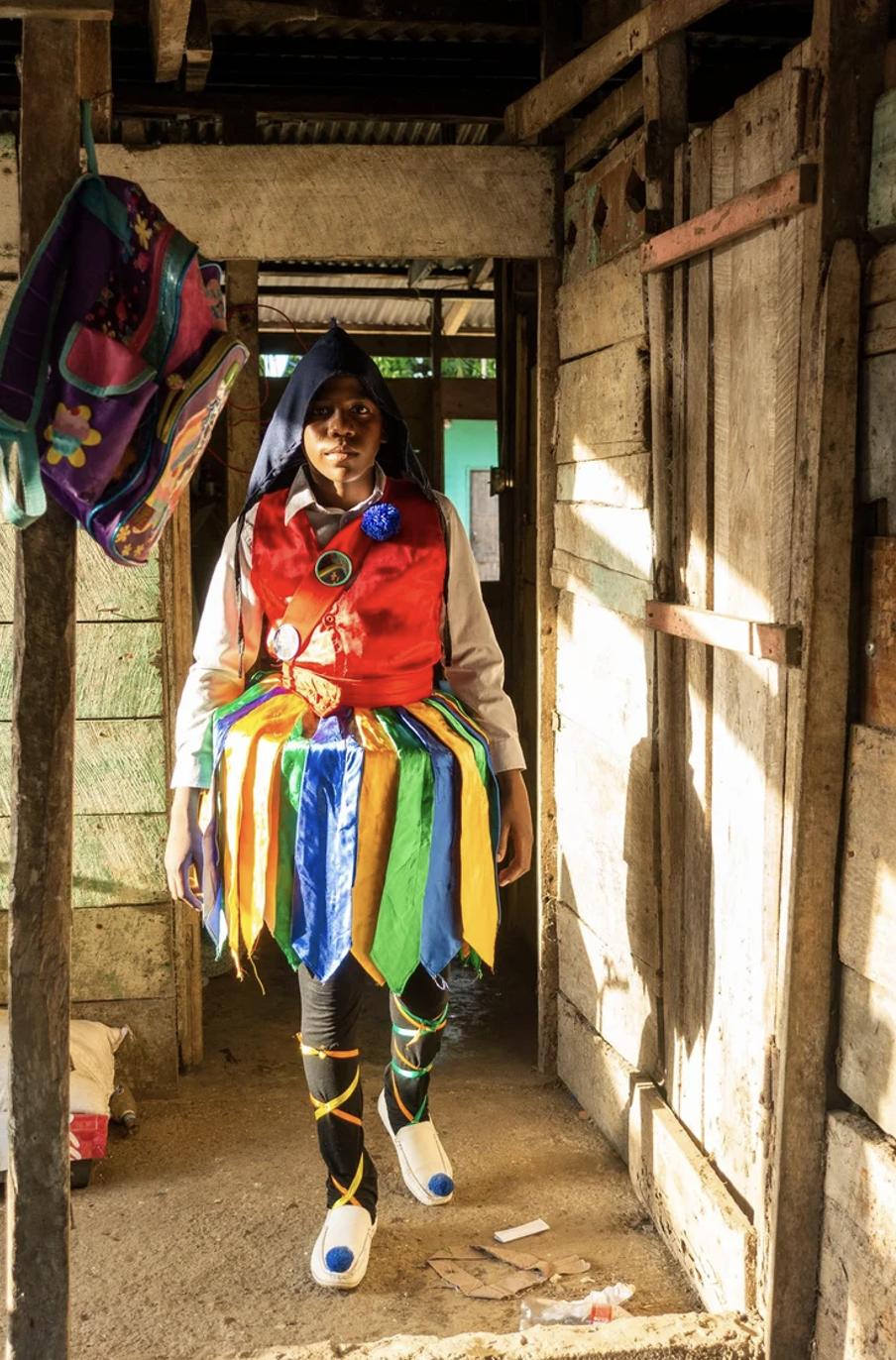
Photo by Luis Carlos Garcia.
Economy
Panama is among the wealthiest countries in Latin America and has one of its fastest growing economies. Much of the growth is due to services and tourism, including revenues from the Panama Canal, transportation logistics, and banking. There is also a booming construction sector and lucrative exports of agricultural products like bananas, shrimp, and coffee. With a GDP per capita of $19,802, the country is a high-income country. Despite this, stark contrasts exist between the gleaming skyscrapers of downtown Panama City and poorer neighborhoods.
Unfortunately, income inequality in Panama is the most unequal in Central America and is among the highest in Latin America. The Panama Canal corridor benefits from high labor productivity in shipping, logistics, trade, and tourism, while rural and indigenous provinces face structural constraints such as poor infrastructure, limited education, widespread discrimination against indigenous and other racial minority groups, and the lack of formal employment opportunities. In recent years, there have been frequent protests, especially by groups struggling to uphold their legal rights.
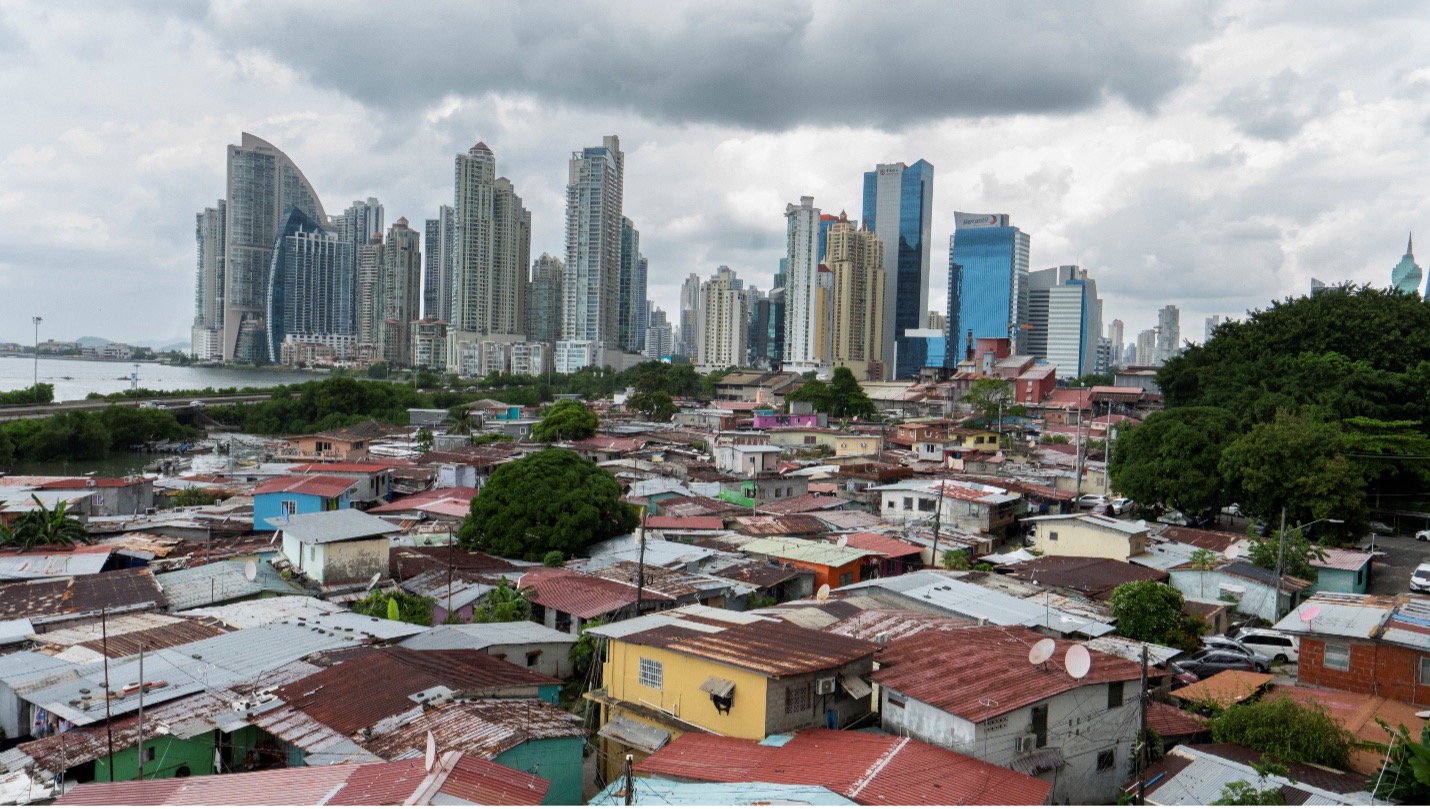
The skyline of Panama City contrasting with a less affluent neighborhood. Photo by Luis Carlos Garcia
At one time Panama was also known as a tax haven where wealthy people and businesses could hide their assets and sometimes nefarious transactions. The leak of the so-called Panama Papers in 2016 brought to light millions of documents that detailed the financial affairs of more than 200,000 offshore entities. The ensuing scandal forced the country to improve its compliance with anti-money laundering recommendations. The International Monetary Fund continues to insist on the need for the country to strengthen its financial transparency and fiscal structure. Panama City has become one of the world’s leading banking centers and is the regional headquarters for many international companies.
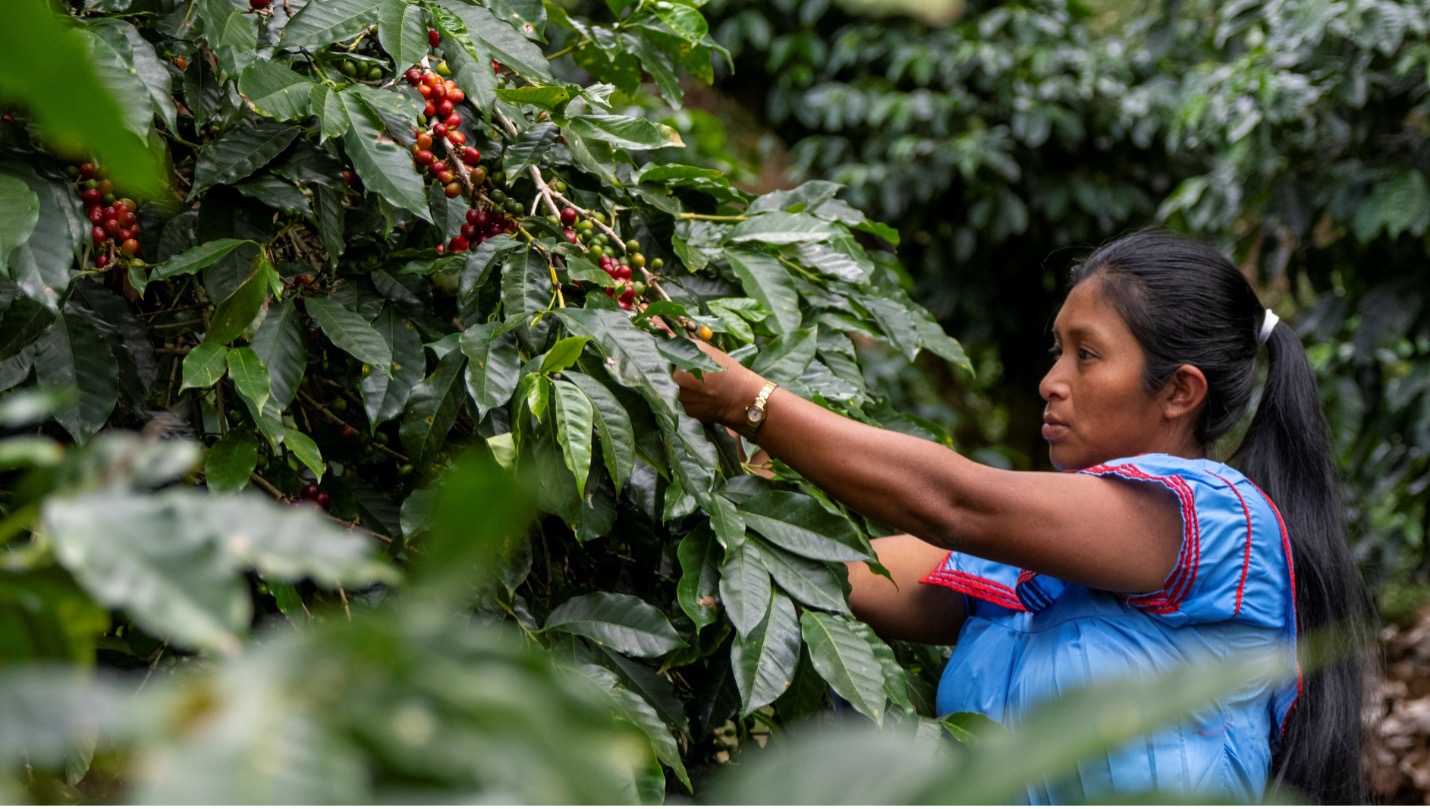
Woman picking coffee. Photo by Luis Carlos Garcia. Althoug hit is a relatively small share of the economy, Panama has become known for producing some of the world’s highest-quality coffees.
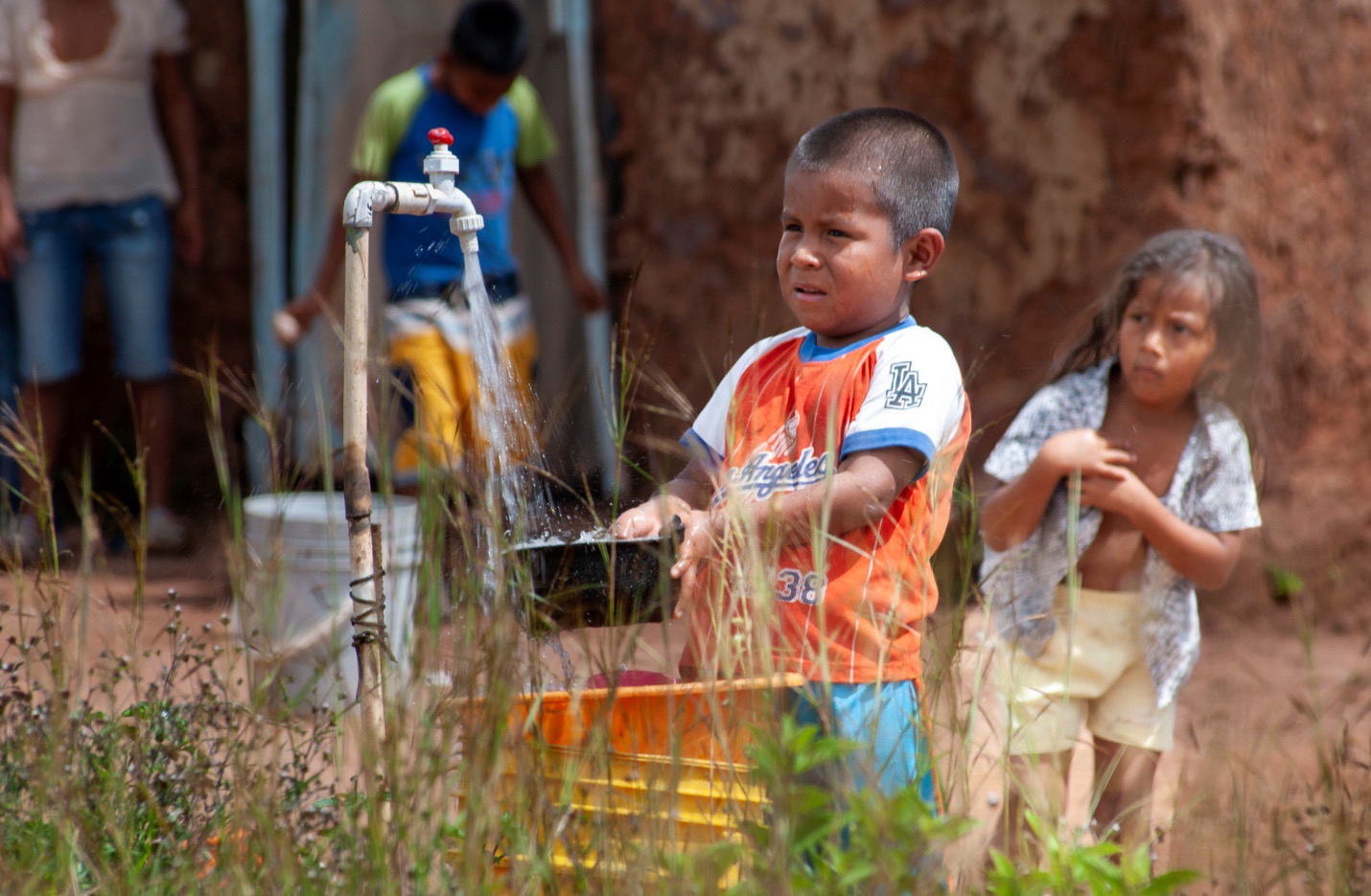
Children gathering water. Photo by Luis Carlos Garcia.
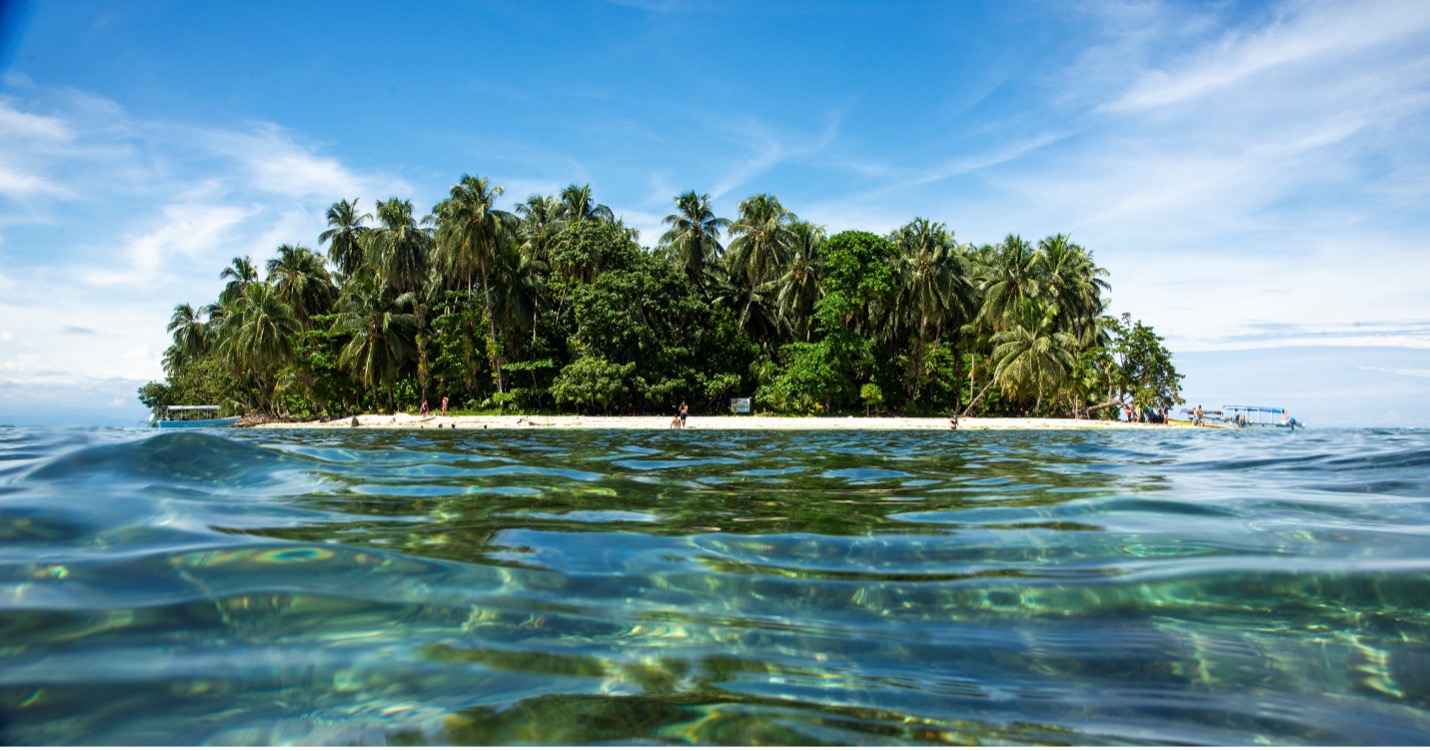
Bocas del Toro. Photo by Luis Carlos Garcia. The Bocas del Toro (Mouth of the Bull) Archipelago is a group of tropical islands in the Caribbean Sea in Panama’s northwest. It is a popular tourist destination with a biodiverse ecosystem of beaches, coral reefs, mangrove, and seagrass meadows.
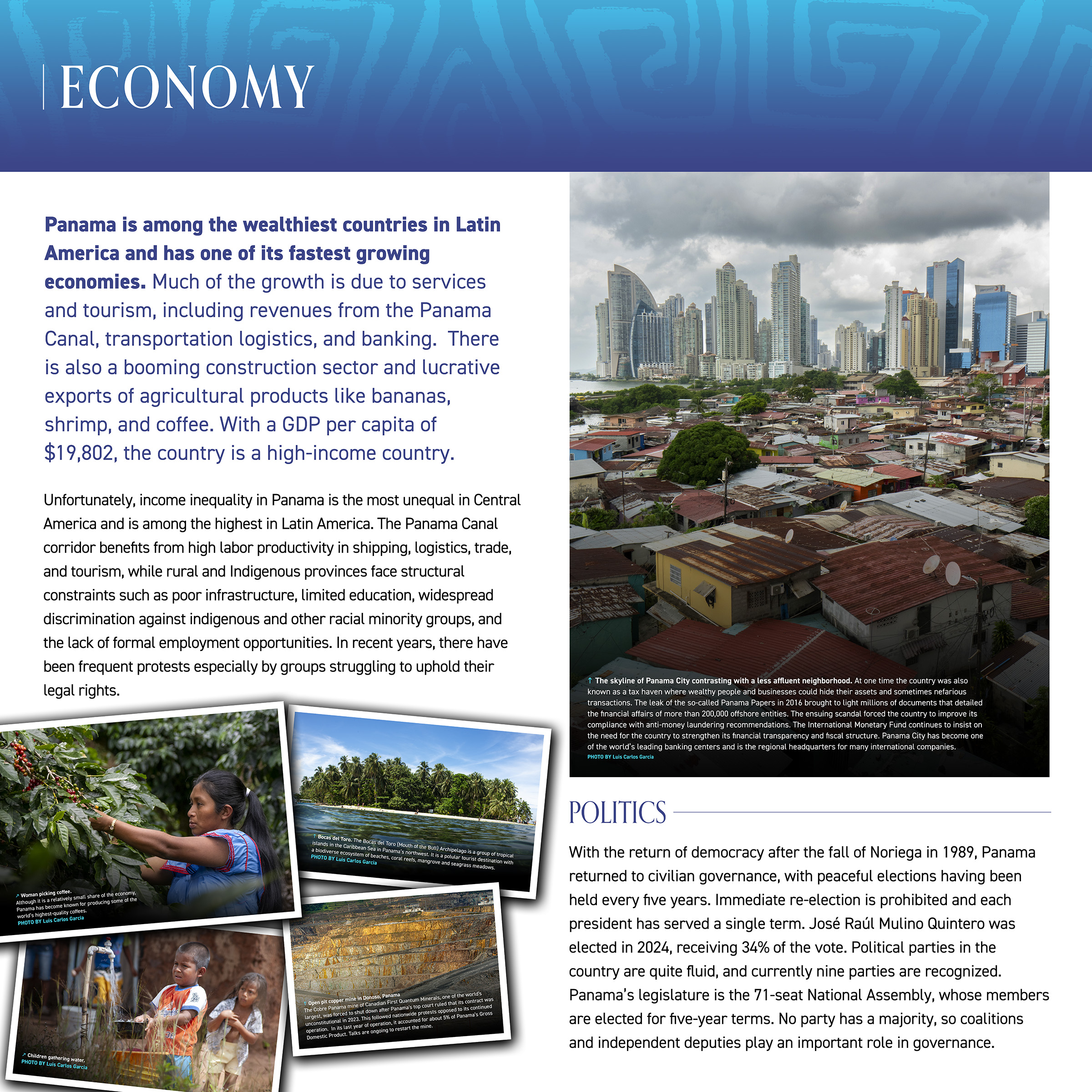
Politics
With the return of democracy after the fall of Noriega in 1989, Panama returned to civilian governance, with peaceful elections having been held every five years. Immediate re-election is prohibited and each president has served a single term. José Raúl Mulino Quintero was elected in 2024, receiving 34% of the vote. Political parties in the country are quite fluid, and currently nine parties are recognized. Panama’s legislature is the 71-seat National Assembly, whose members are elected for five-year terms. No party has a majority, so coalitions and independent deputies play an important role in governance.