

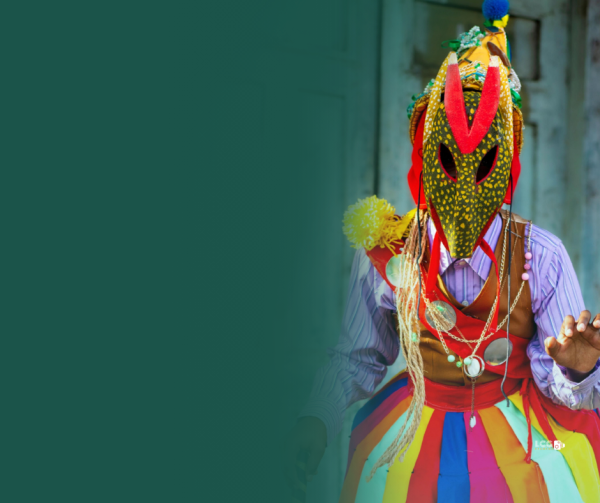

Biological Diversity
Panama is one of the great biological crossroads of the world. Its location between North and South America and between the Caribbean Sea and the Pacific Ocean has produced an extraordinary concentration of life. Panama’s tropical rainforests, cloud forests, mountains, rivers, wetlands, mangroves, coral reefs, and coastlines provide an exceptional variety of habitats. As a result, Panama is home to more than 10,000 species of plants, 1,000 species of birds, 260 mammals, and 250 reptiles, as well as an enormous diversity of amphibians, fishes, butterflies, More than 1,300 species are found nowhere else.
Protecting this biological wealth has become a national priority. Panama has established 20 national parks as well as numerous protected forests, wetlands, wildlife refuges, and marine areas. Darien National Park, the largest national park in Panama protects approximately 579,000 hectares (1.43 million acres) of tropical forest and is estimated to contain 63 percent of the animal species known from the country. These protected landscapes also safeguard watersheds and forests essential to Panama’s people and to the operation of the Panama Canal.
Bat Biodiversity in Central America
Panama is home to more than 120 different bat species. The country’s resident bats make up around 8% of the world’s known species. Bats play essential roles in the ecosystem – acting as pollinators, seed dispersers, and aiding in control of insect populations.
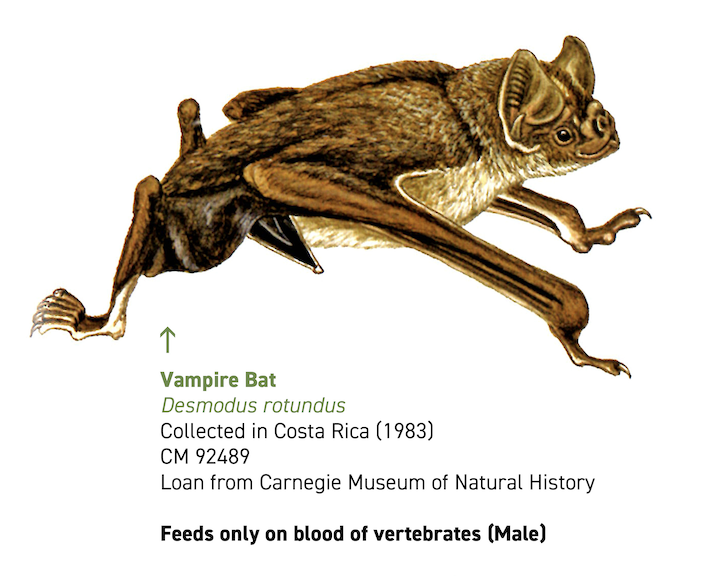
Vampire bat male
Desmodus rotundus
Collected in Costa Rica (1983)
Loan from Carnegie Museum of Natural History CM 92489
Feeds only on blood of vertebrates
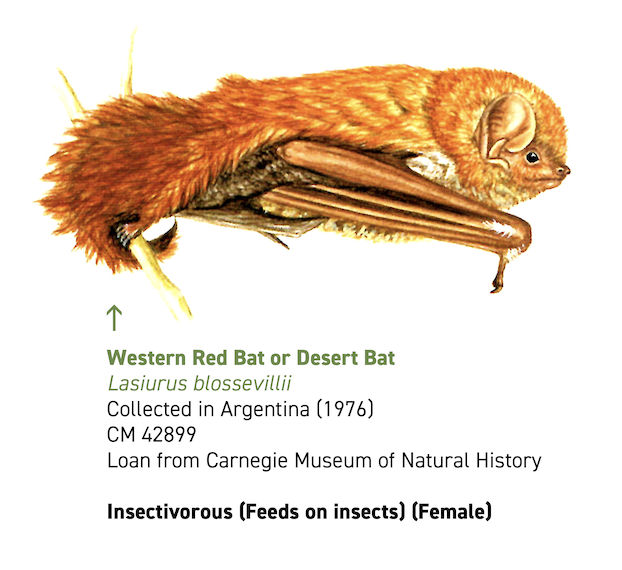
Western red bat or Desert bat female
Lasiurus blossevillii
Collected in Argentina (1976)
Loan from Carnegie Museum of Natural History CM 42899
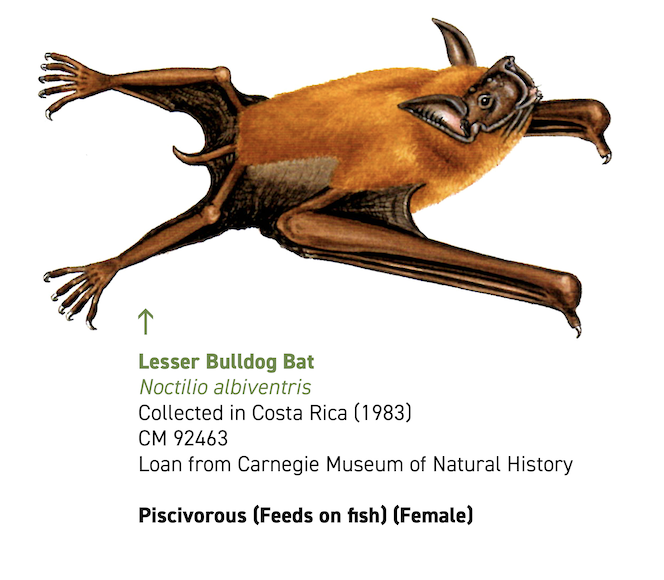
Lesser bulldog bat female
Noctilio albiventris
Collected in Costa Rica (1983)
Loan from Carnegie Museum of Natural History CM 92463
Feeds on fish
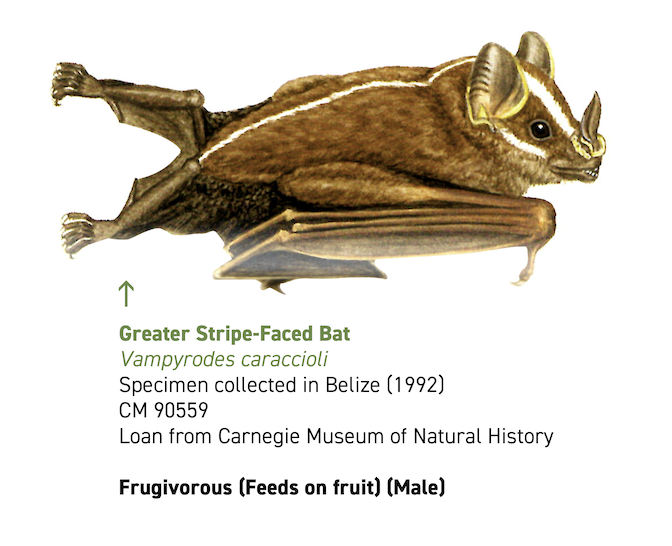
Great stripe-faced bat male
Vampyrodes caraccioli
Specimen collected in Belize (1992)
Loan from Carnegie Museum of Natural History CM 90559
Fruit-eating
Other Examples of Biodiversity
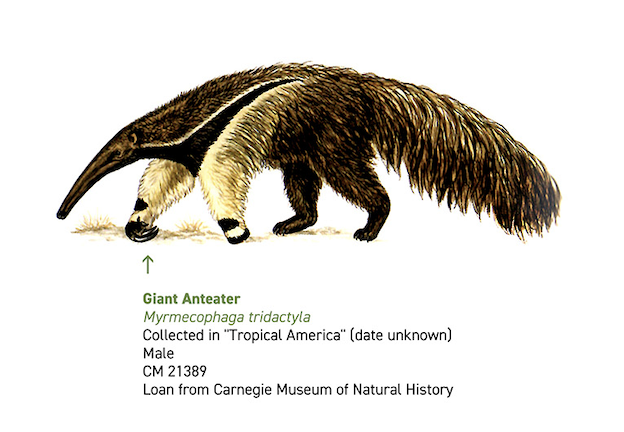
Giant Anteater
Myrmecophaga tridactyla
Collected somewhere in “Tropical America” - date unknown
Male
CM 21389
Loan from Carnegie Museum of Natural History
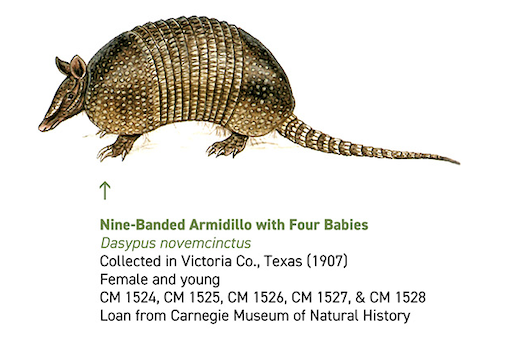
Nine-banded armadillo with 4 babies
Dasypus novemcinctus
Collected in Victoria Co., Texas (1907)
CM 1524, CM 1525, CM 1526, CM 1527, & CM 1528
Loan from Carnegie Museum of Natural History
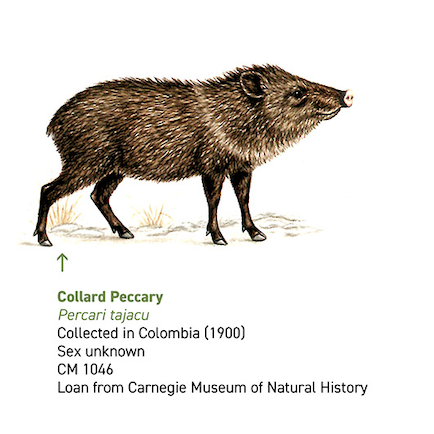
Collard Peccary
Percari tajacu
Collected in Colombia (1900)
Sex Unknown
CM 1046
Loan from Carnegie Museum of Natural History
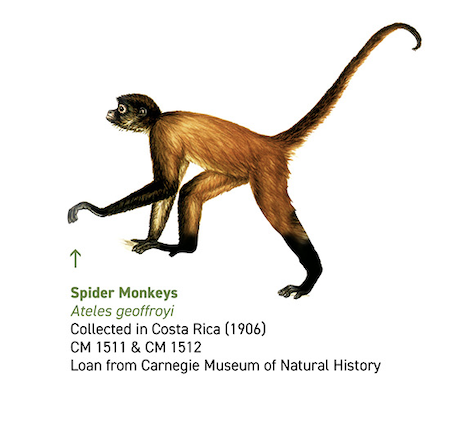
Spider Monkeys
Ateles geoffroyi
Collected in Costa Rica (1906)
CM 1511 & CM 1512
Loan from Carnegie Museum of Natural History
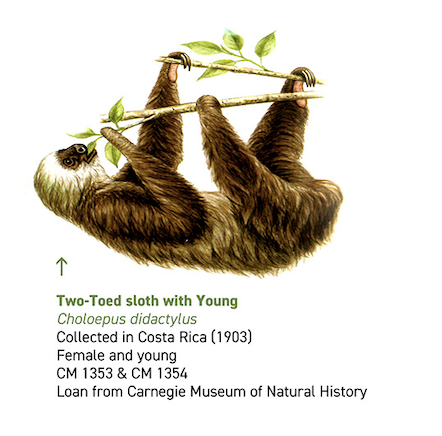
Two-toed sloth with young
Choloepus didactylus
Collected in Costa Rica (1903)
CM 1353 & CM 1354
Loan from Carnegie Museum of Natural History
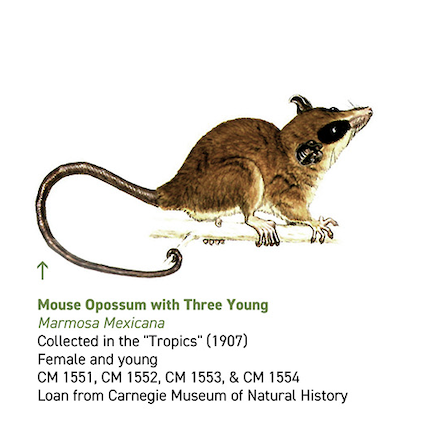
Mouse Opossum with 3 young
Marmosa mexicana
Collected in "Tropics" (1907)
CM 1551, CM 1552, CM 1553, & CM 1554
Loan from Carnegie Museum of Natural History
Illustrations by Fiona Reid
Unending and Unknown Beauty
The full richness of Panamanian insect diversity is still unknown, but a study in Panama’s San Lorenzo Forest estimated about 23,500 species of insects in the forest. Of these species, it is likely that 30-50% were new to science. In these cases before you are but a fraction of a percent of the wealth of insect diversity in Panama. The selection here, borrowed from the Invertebrate Zoology collection at Carnegie Museum of Natural History, focuses on beetles and moths/butterflies, two of the strengths of their collection.
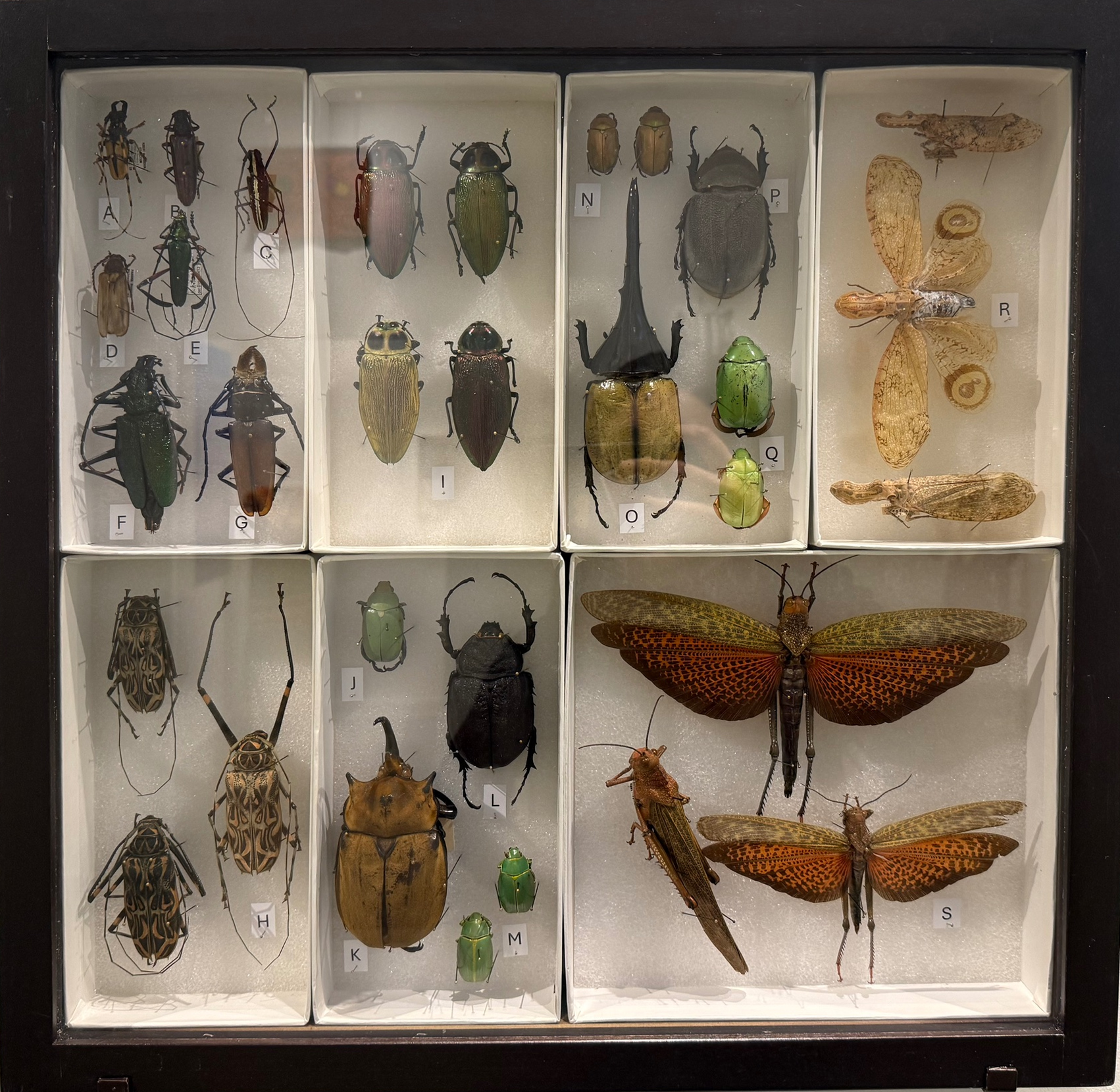
Beetles, moths and grasshoppers Insects of Panama. Carnegie Museum of Natural History.
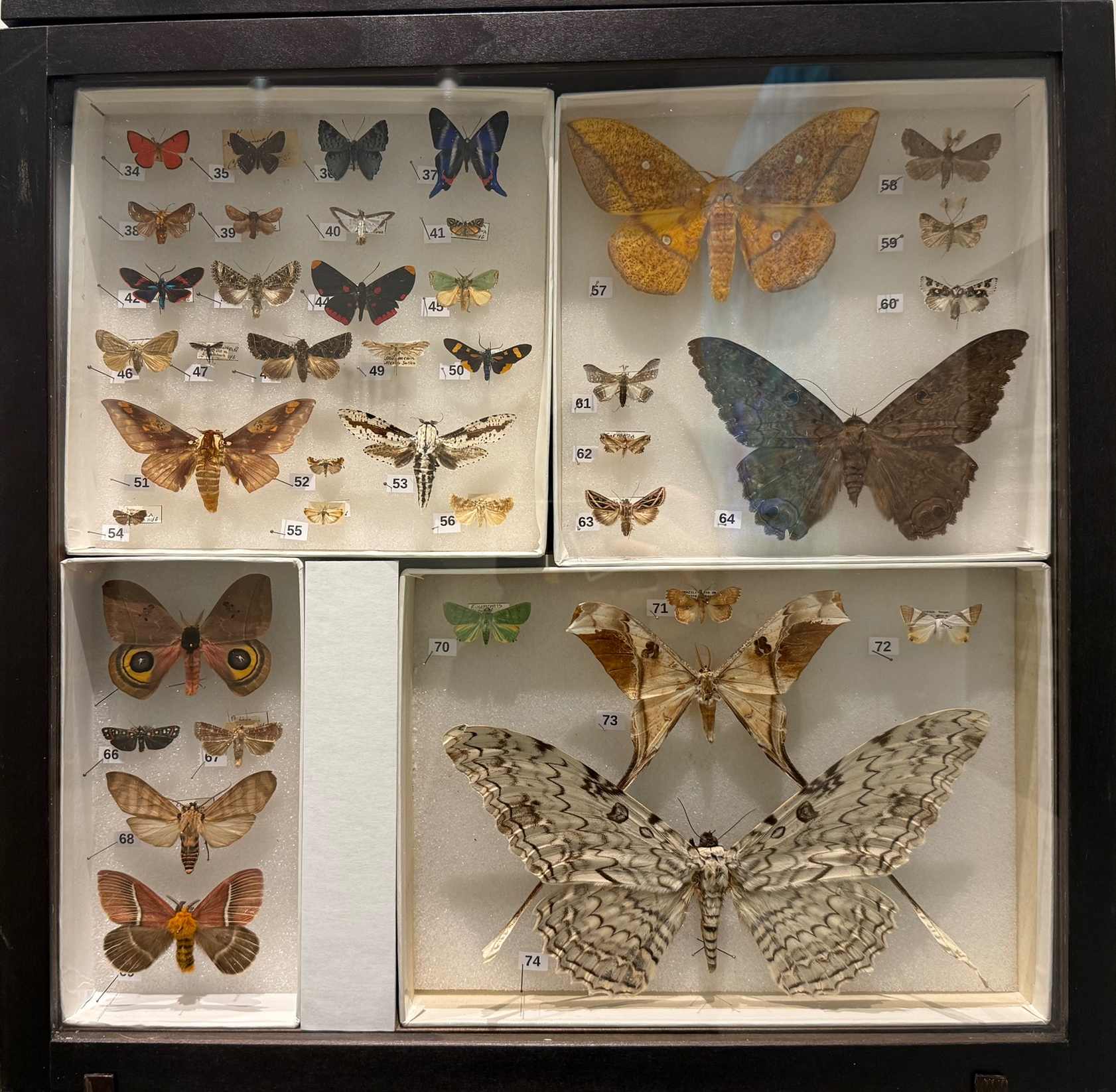
Moths and Butterflies of Panama. Carnegie Museum of Natural History.
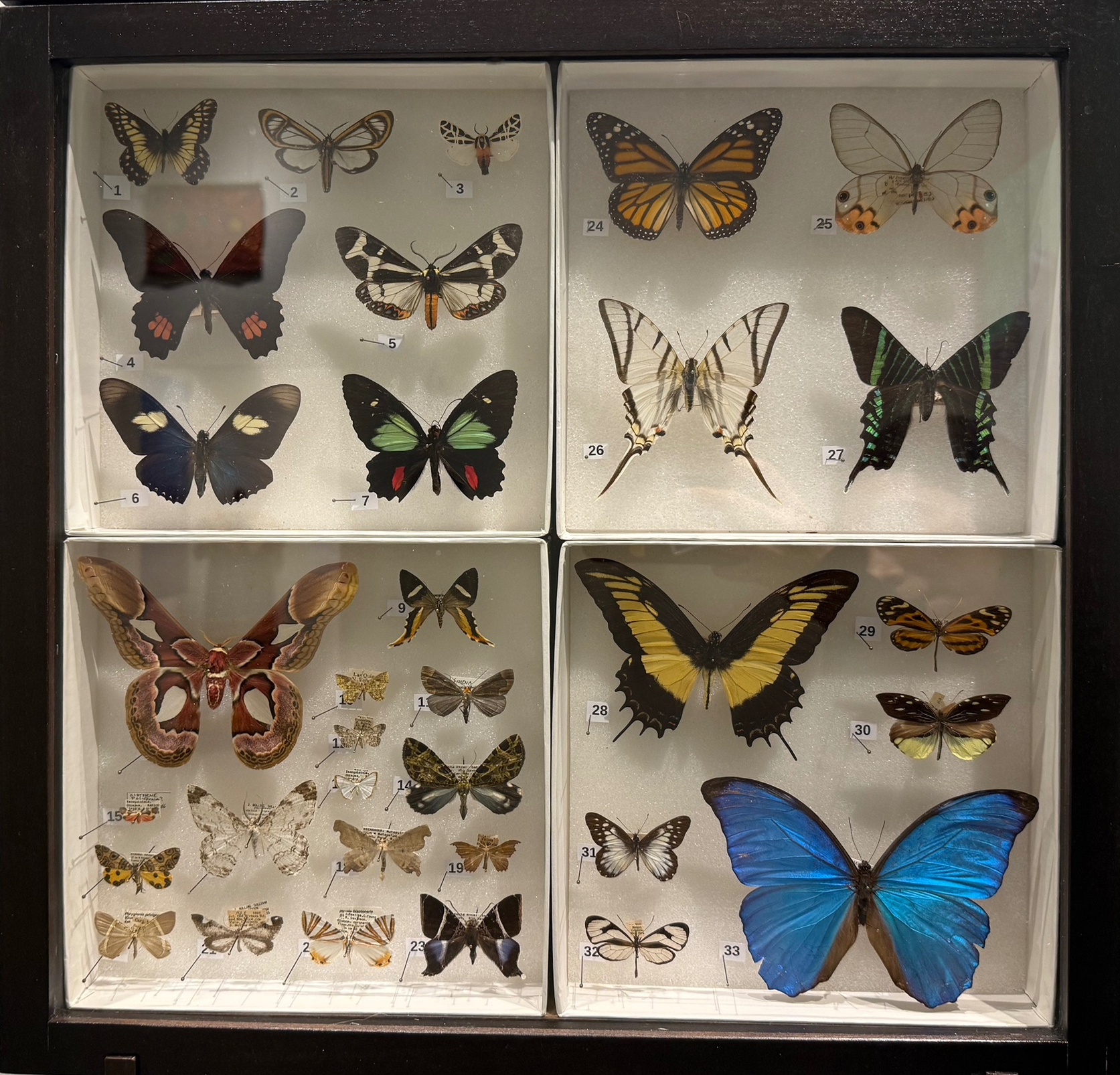
Moths and Butterflies of Panama. Carnegie Museum of Natural History.
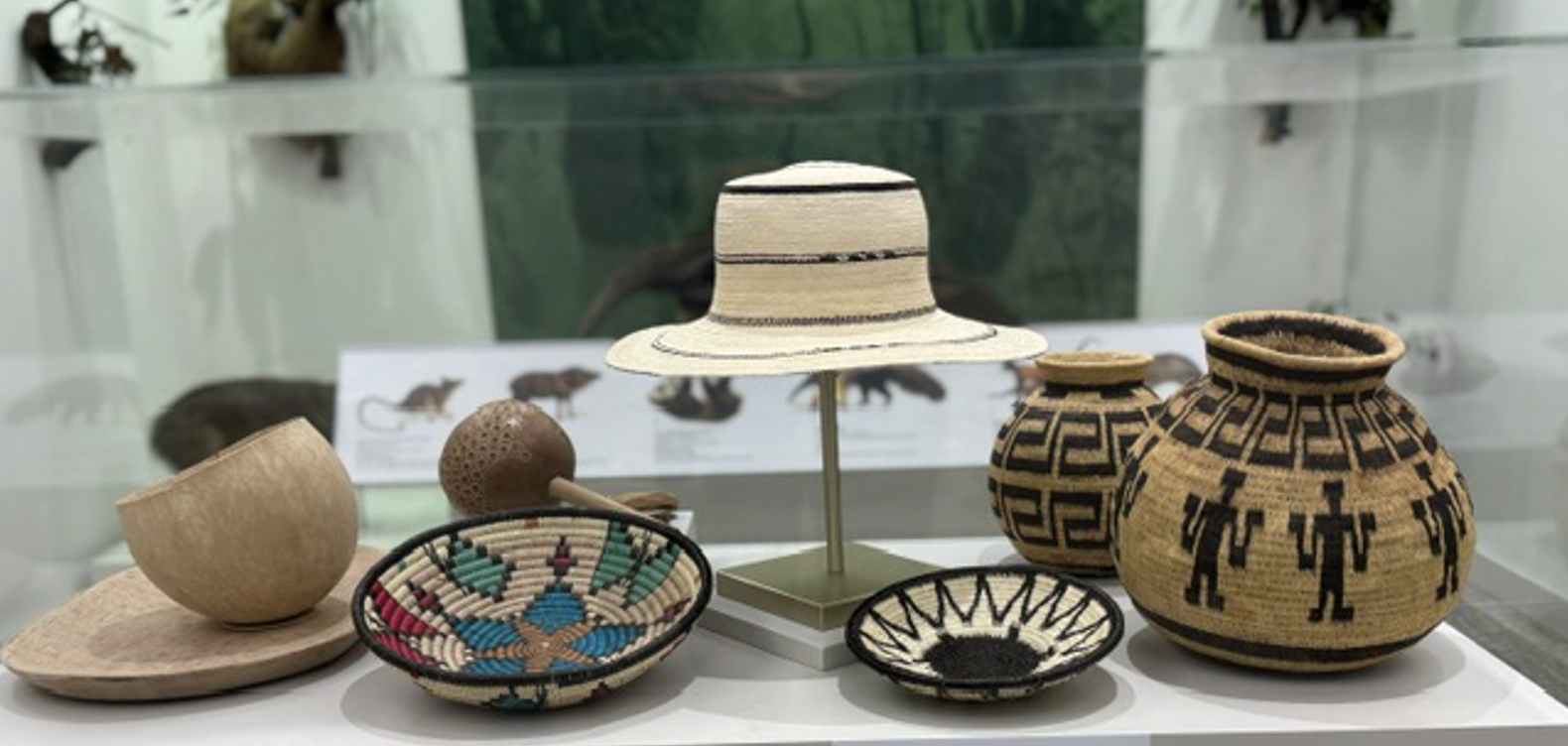
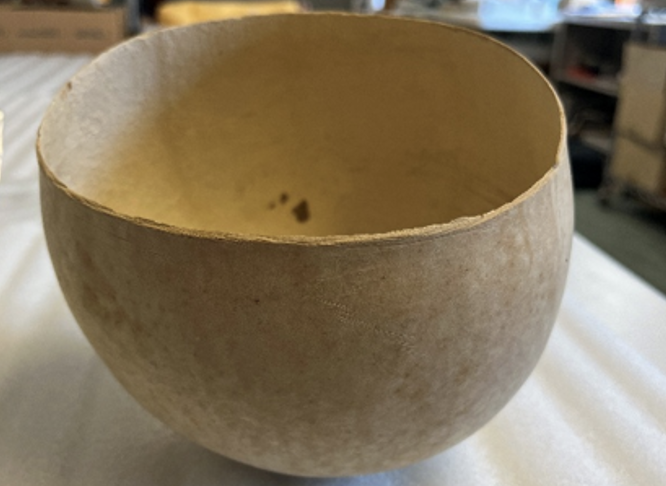
Gourd Bowl (Totuma)
Yamileth Peréz
2023
Los Asientos, Los Santos Province
Loan from Luis Carlos García
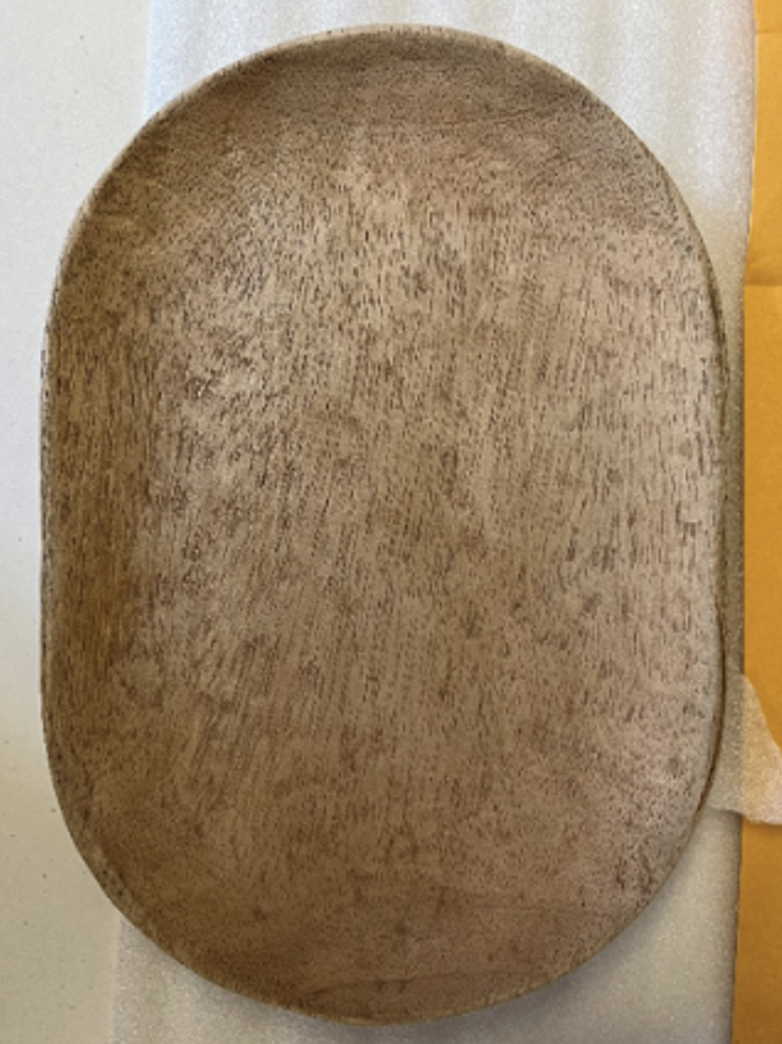
Wood Tablet
Donatos Peréz
2023
Pedasí, Los Santos Province
Carved wood
Loan from Luis Carlos Garcia
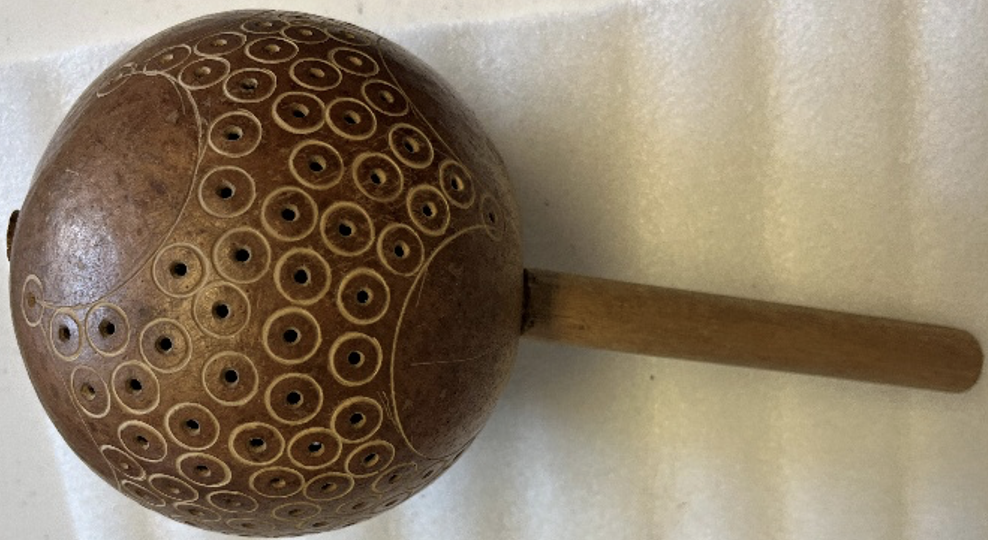
Maraca
2025
Emberá
Gourd, wood, dried seeds
Loan from Luis Carlos Garcia
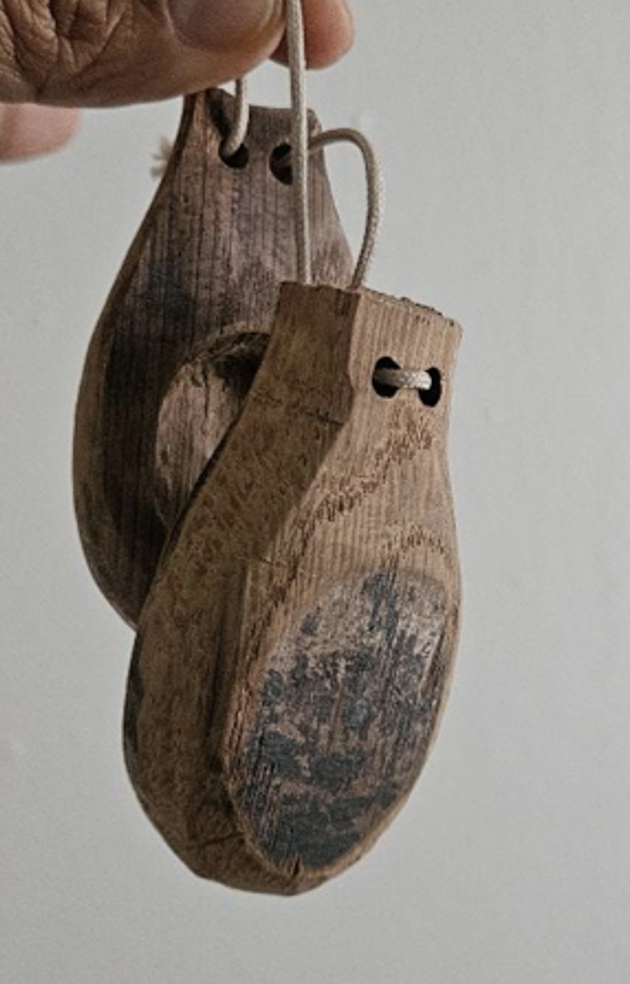
Castanets
Used by the Diablicos Sucios
Juan de Dios Rodriquez
2024
La Villa de los Santos, Los Santos Province
Loan from Luis Carlos Garcia
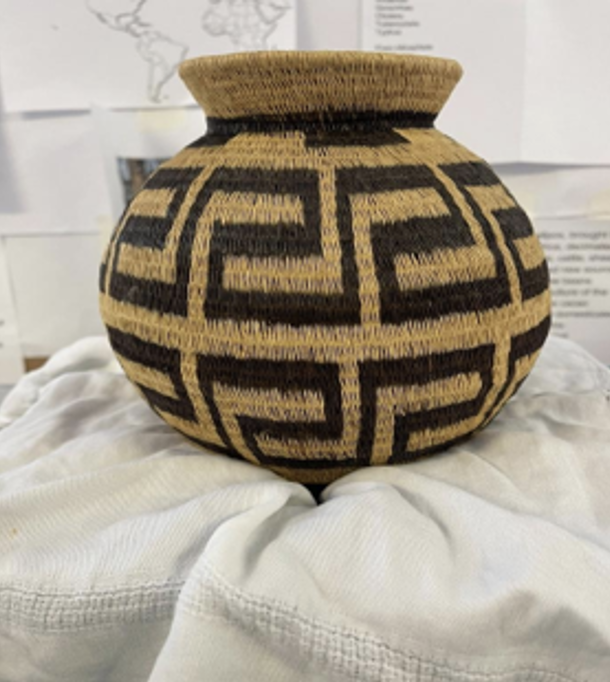
Wounaan (Waunana) Basket
Late 20th–early 21st century
Pacific lowlands of eastern Colombia or Darién region of Panama
Werregue palm (Astrocaryum standleyanum), natural dyes
LACC Collection, Gift of Pam Doran and Carl Swartz
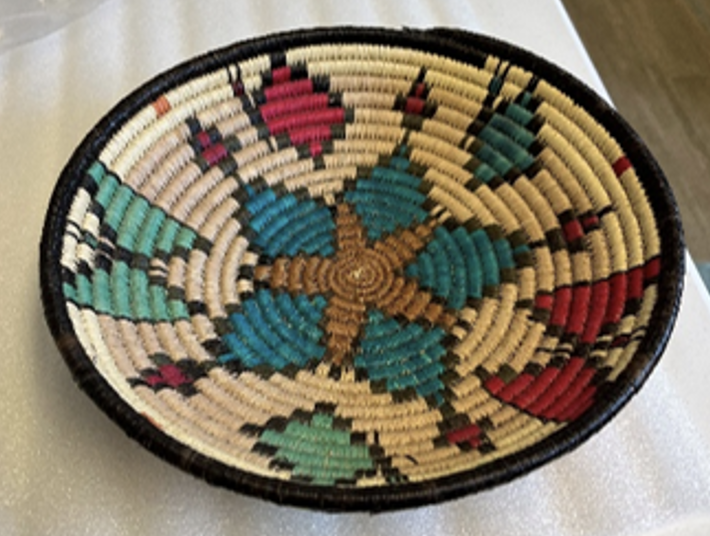
Collection Basket
Emberá
Early 21st century
Darién Region
Woven and dyed plant fiber
Loan from Luis Carlos García
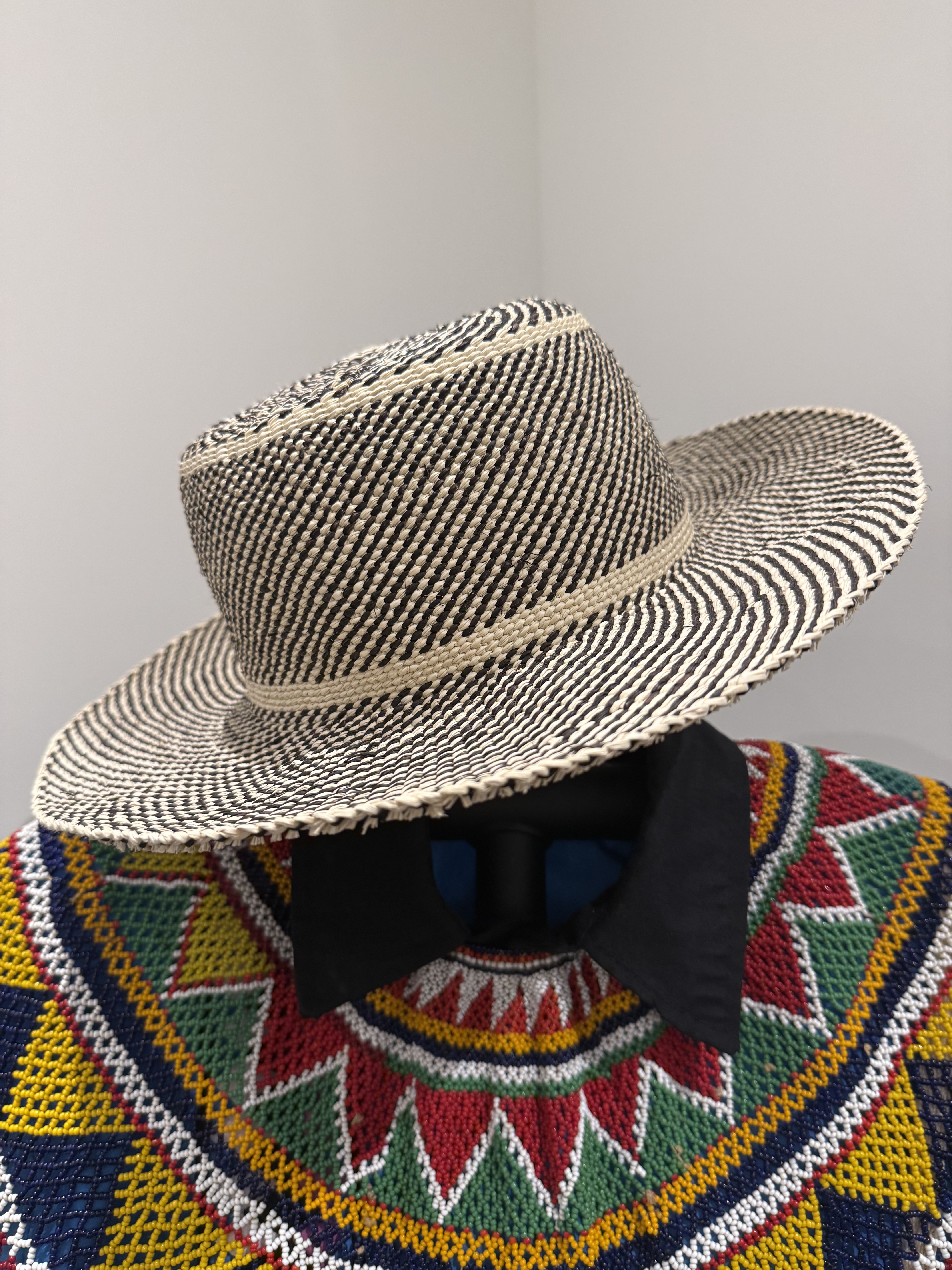
Hat
Carlos Carpintero
2026
Chorcha, Chiriquí Province
Palm fiber
Gift of Robert Tuñón
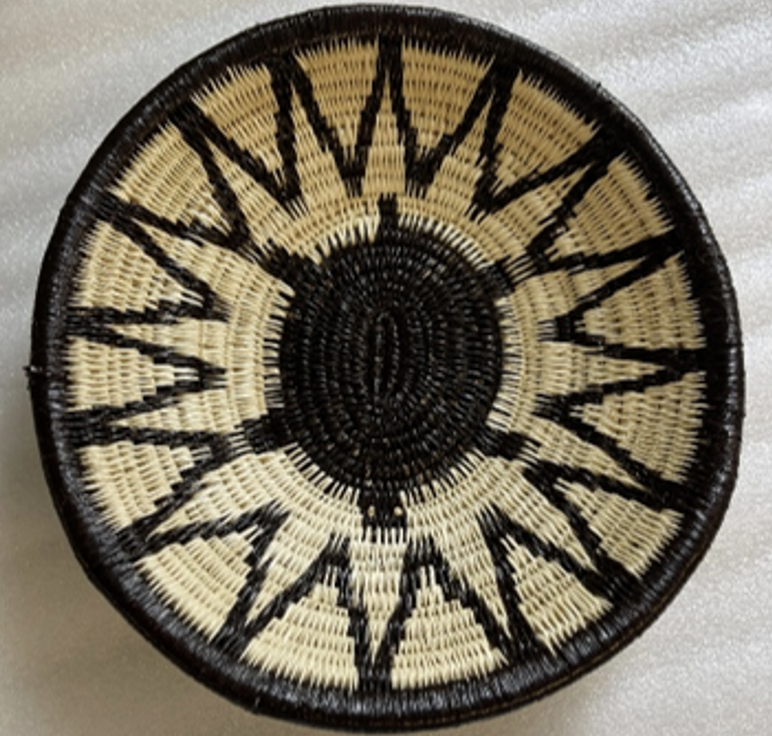
Basket
Wounaan
Early 21st century
Darién Region
Werregue palm, natural dyes
Gift of Robert Tuñón
Donation from Robert Tunon
Some of the finest examples of crafts from Panama are finely woven baskets created by Wounaan artists from the tropical forests of the Darién on the Colombia–Panama borderlands. Wounaan basketry is celebrated for its technical precision and intricate geometric designs. Made from fibers of the werregue palm (Astrocaryum standleyanum), baskets are constructed using tightly coiled stitching that produces a remarkably smooth surface. The bold black patterns are applied using plant-based dyes. Today these baskets are recognized as among the finest examples of Indigenous fiber art in the Americas, reflecting both ancestral knowledge and contemporary artistic innovation.
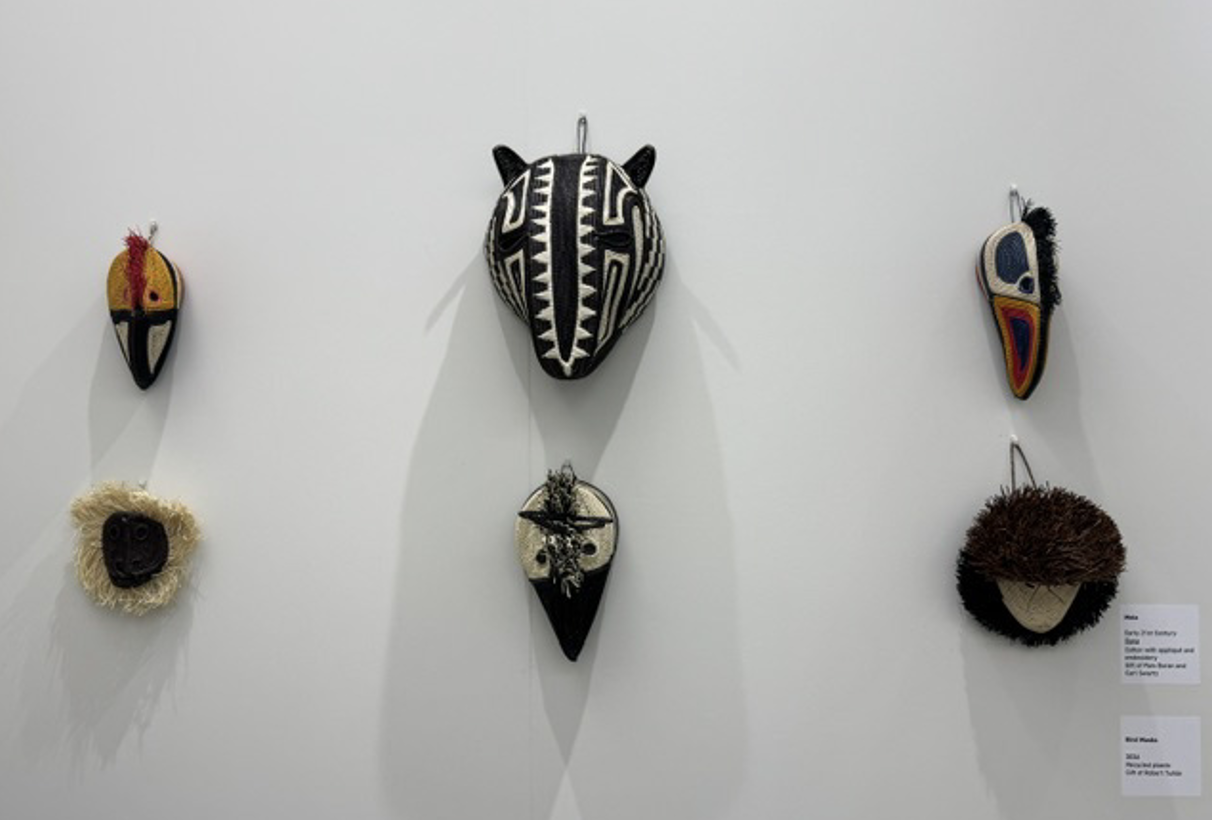
Bird Masks
2026
Recycled plastic
Gift of Robert Tuñón
Mammal Masks
2026
Recycled plastic
Gift of Robert Tuñón