

Crossroads of the World: Panama
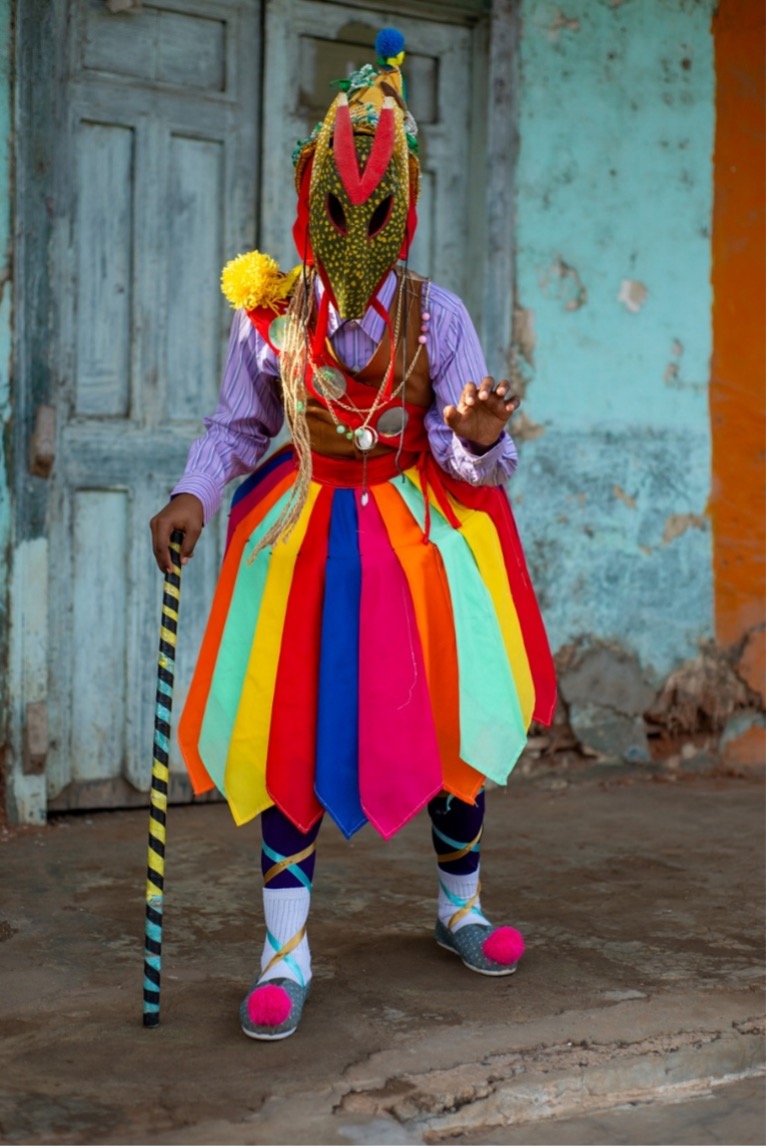
Mirrored Devil (Diablos de Espejos) from Garachiné on the Pacific Coast of the Darién region.
Diablos de Espejos (Mirrored Devils) are among the most distinctive of Panama's Corpus Christi traditions. They are performed in Garachiné, a town in the district of Chepigana, Darién Province. Although they share common origins with other Panamanian devil dances, the Garachiné tradition has evolved into a highly distinctive local expression.
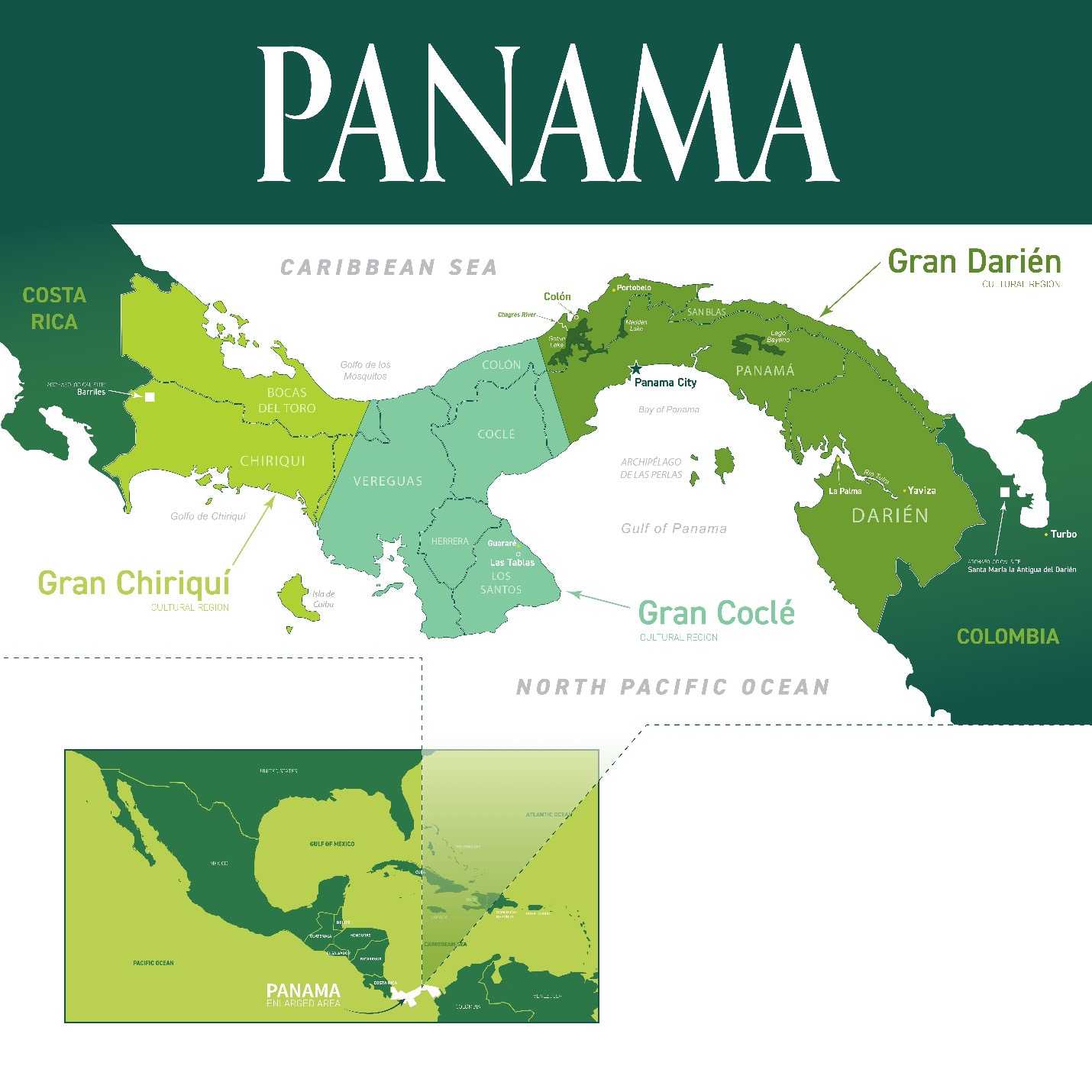
Panama, although a small geographic area, has linked hemispheres and empires. The country’s position as a narrow isthmus has made it a bridge between continents, oceans, peoples, and ideas for thousands of years. The paradox of Panama, however, is that its difficult geography has also stymied the movement of people and merchandise, especially across the Darién region, an area of dense rainforest, sinuous river systems, and swamps.
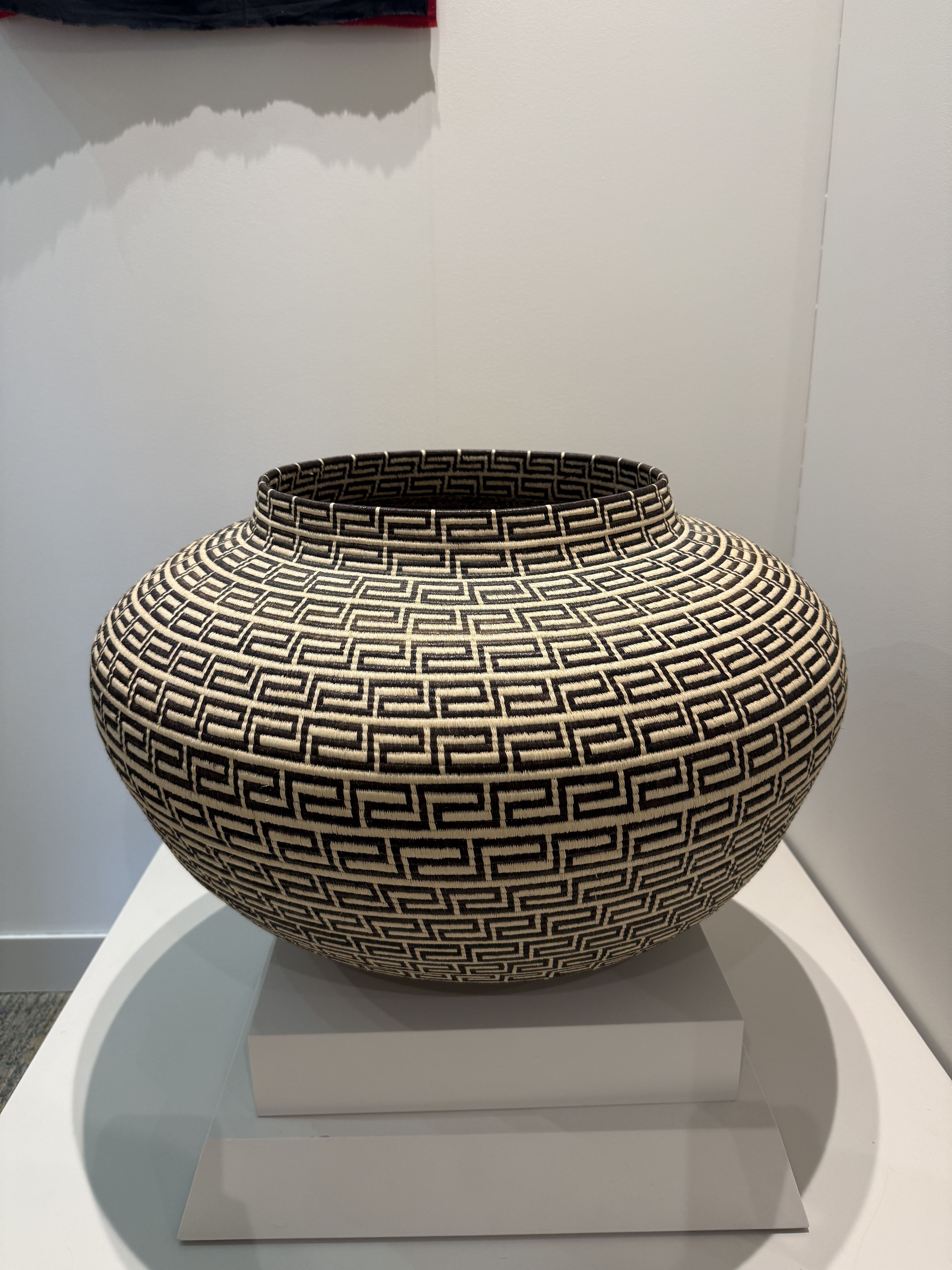
Wounaan (Waunana) Basket
Late 20th, early 21st century
Pacific lowlands of eastern Colombia or Darién region of Panama
Werregue palm (Astrocaryum standleyanum), natural dyes
Loan from Claire Keyes and Joel Aaronson
Wounaan artists from the tropical forests of the Darién are celebrated for finely woven baskets of exceptional technical precision. Fibers from the werregue palm are tightly coiled to create smooth surfaces, while plant-based dyes form intricate geometric designs. The baskets reflect both ancestral knowledge and contemporary artistic innovation.
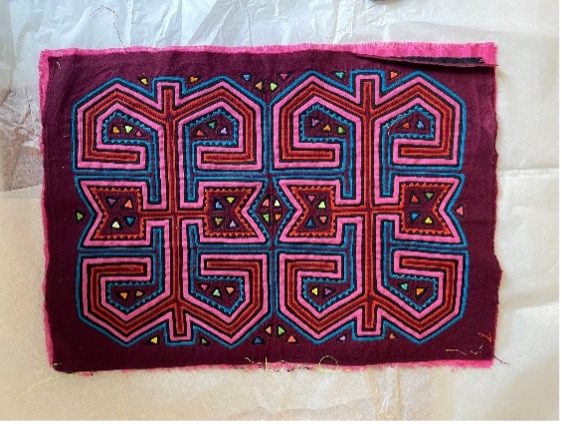
Mola
Guna
2026
Cotton with appliqué and embroidery
Gift of Robert Tuñón
The term mola in the Guna indigenous language refers to the colorful, hand-sewn textile panels made by Guna women using layers of fabric cut and stitched in reverse appliqué.